2026 Best Mini Shipping Container for Global Buyers
Choosing the right mini shipping container in 2026 requires more than comparing prices and painted steel. Global buyers need a compact unit that protects cargo, fits available space, and matches the intended transport method. A container for garden storage may not qualify for ocean shipment. That difference matters.
This guide examines practical features, supplier evidence, and international buying considerations. We will compare dimensions, steel thickness, door hardware, floor construction, ventilation, locking systems, and weather resistance. Small details become obvious during use. A stiff door can delay loading. Poor drainage can damage cartons after heavy rain. Thin flooring may struggle with dense equipment.
Reliable suppliers should provide clear specifications, production photographs, inspection records, and shipping documents. Buyers should also confirm whether the unit has recognized transport certification, when ocean carriage is planned. Local customs requirements, carrier policies, and destination rules can differ. A container accepted in one market may need additional review elsewhere.
There is no perfect model.
The best mini shipping container depends on cargo weight, handling equipment, route, climate, and storage duration. A lower purchase price may hide higher delivery or modification costs. Conversely, premium features may be unnecessary for short-term storage. This guide keeps that tension visible. It focuses on evidence rather than attractive claims, while acknowledging that supplier information is not always complete. Careful measurements, written quotations, and pre-shipment inspections remain valuable safeguards. With those checks, buyers can make a more confident and practical decision for global procurement in 2026.
What Is a Mini Shipping Container and How Is It Used?
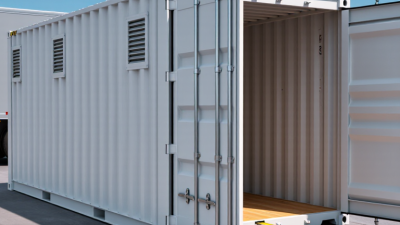
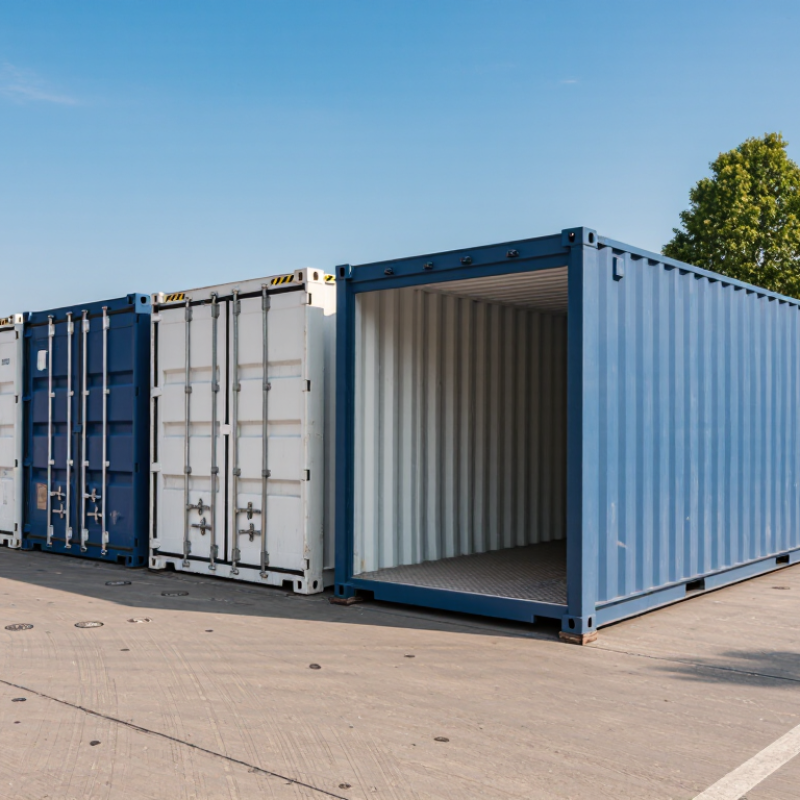
A mini shipping container is a compact, lockable steel unit designed for storage, transport, or controlled workspaces. Common lengths include six, eight, and ten feet, but dimensions vary by supplier. Its smaller footprint fits narrow yards, urban sites, farms, and workshop corners. Most units include steel doors, a weather-resistant roof, wooden flooring, and ventilation openings. Small, but sturdy.
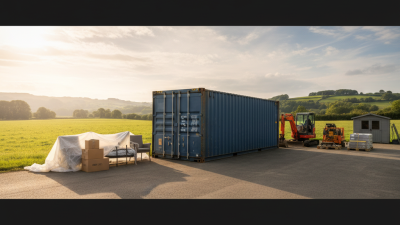
Global buyers often use mini containers for tools, spare parts, seasonal goods, and temporary site storage. On a construction site, one can hold cables, helmets, and boxed equipment near the work area. Retailers may use one as a secure stockroom during renovations. Some buyers also adapt these units into kiosks or compact offices, but insulation, lighting, and local approvals require careful planning.
Before ordering, check internal dimensions, maximum payload, door clearance, floor condition, and lifting points. A narrow doorway can make useful storage difficult. Inspect welds, seals, corrosion, and water marks through detailed photos or an independent inspection. New units usually offer cleaner surfaces, while used units may reduce costs but need closer examination. I would not assume every mini container is approved for ocean transport. Confirm its transport certification, delivery method, and destination requirements. Freight charges can exceed expectations, especially for remote locations. That detail deserves a second look.
2026 Best Mini Shipping Container for Global Buyers
What Is a Mini Shipping Container and How Is It Used?
A mini shipping container is a compact steel storage unit designed for smaller sites, workshops, retail storage, household moves, and short-distance logistics. The chart compares approximate internal storage volumes for common compact container lengths and a standard 20-foot container. Actual dimensions may vary by manufacturer, door configuration, insulation, and container height.
Key Sizes, Materials, Features, and Performance Standards
For global buyers, the best mini shipping container starts with the right size.
Common options include 6-foot, 8-foot, and 10-foot lengths, usually 8 feet wide and 8 feet 6 inches high. A 10-foot unit offers about 15 cubic meters of internal space, depending on wall thickness. Measure twice. Door clearance often causes practical problems.
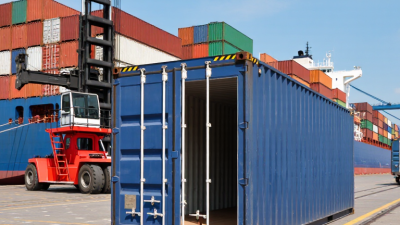
Corten steel remains the preferred material for outdoor durability, while marine-grade plywood supports the floor under concentrated loads. ISO 668 defines standard container dimensions, but many mini units are non-standard and may not qualify for international stacking or ocean transport.
The International Maritime Organization’s 2024 container safety guidance reinforces the importance of verified structural condition, secure doors, and visible identification plates. Buyers should request steel thickness, floor load ratings, weld inspection records, and corrosion treatment details.
Useful features include forklift pockets, lock boxes, ventilation grilles, lifting points, and weather-resistant door seals. ISO 1496-1 provides performance requirements for freight containers, including strength and testing principles.
However, a small container should not be described as CSC-compliant without valid certification. That distinction matters. UNCTAD reported global containerized trade growth of approximately 8.1% in 2023, increasing pressure on reliable equipment and inspections.
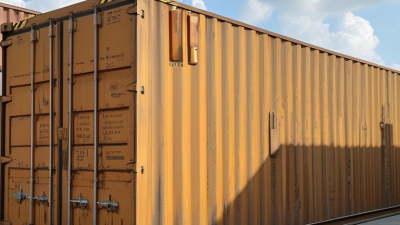
In practice, examine the roof corners, bottom rails, and door alignment before shipment. Some suppliers focus on paint quality, while hidden floor damage receives less attention. That is an easy mistake. A documented pre-shipment inspection remains more reliable than attractive photographs.
Main Types of Mini Shipping Containers for Different Applications
Mini shipping containers serve different needs, so size and structure matter more than appearance.
A compact standard container suits tools, spare parts, records, and seasonal stock. Six- or eight-foot models fit narrow yards and small loading areas. They are easier to position with light lifting equipment.
A side-opening mini container improves access when pallets cannot reach the rear doors. It works well for workshops, market storage, and frequent inventory checks. An open-top version helps load tall equipment, although it needs a secure cover during transport. Insulated mini containers protect temperature-sensitive goods from sudden heat changes. However, insulation alone does not create stable refrigeration. Buyers should verify the required temperature range, ventilation, floor strength, door seals, and approved lifting points.
Tips:
Measure the installation path, not only the storage space. Check truck access, turning angles, ground drainage, and local height limits. Ask for steel thickness, internal dimensions, tare weight, and corrosion protection. I have seen buyers choose a smaller unit for convenience, then lose usable space to thick insulation and door clearance. That mistake is avoidable. Request loading diagrams and inspect sample photos closely. A painted surface can look excellent while hidden rust develops around the frame. Specifications may also differ between manufacturers, so compare actual measurements rather than labels.
How to Choose the Best Mini Shipping Container in 2026
Choosing the Best Mini Shipping Container in 2026
A mini shipping container should match your cargo, route, and handling equipment. Measure the load before comparing prices. Many compact units cannot accept standard pallets. Check both internal dimensions and door clearance. Confirm the maximum payload, tare weight, and lifting points. A container may look strong but still have weak welds or thin panels. Inspect corner posts, door hinges, locking bars, and floor condition. These details affect safety during repeated transport.
Tips: Request clear drawings, steel specifications, coating details, and inspection records. Check the door seal with a simple water test. Ask whether ventilation openings include protective covers. Measure your forklift pockets carefully. Small errors become expensive at the port.
Climate also matters. Coastal routes need strong corrosion protection, while hot regions need airflow and light-colored exterior coatings. The floor should resist moisture and common cargo loads. Confirm that the unit can be handled by your planned crane, truck, or forklift. Review local transport rules and required documents before ordering. Requirements can differ between origin and destination countries.
From practical inspections, the cheapest option is rarely the easiest to manage. I once underestimated door clearance, and the loading plan had to change. That mistake was avoidable. Ask for recent photos, production tolerances, and a written warranty. Choose a supplier that answers technical questions clearly. Independent inspection is worthwhile for larger orders. Reliable records matter as much as appearance.
Global Buying, Compliance, Delivery, and Cost Considerations
2026 Best Mini Shipping Container for Global Buyers
Global Buying, Compliance, Delivery, and Cost Considerations
A mini shipping container can simplify storage, equipment transport, and small-scale logistics. However, the best option depends on destination rules, cargo size, and delivery access. Common lengths include six and eight feet. Measure the cargo, pallet, doorway, and turning space before ordering. A steel body, sealed roof, secure locking bars, and a durable floor are practical requirements. Ventilation also matters when temperature changes create condensation.
Request drawings, material details, tare weight, payload rating, and inspection records from the seller. Ask whether the unit is approved for international cargo transport. Requirements may differ between the exporting country, transit port, and final destination. Importers should confirm customs classification, duties, taxes, and documentation with local authorities. A reliable purchase file includes the commercial invoice, packing list, transport terms, and insurance details. Verbal promises are not enough.
Delivery costs can exceed the container price. Check ocean freight, port handling, storage, customs clearance, inland transport, and unloading equipment. A narrow street may require a smaller truck or crane, adding unexpected charges. Compare total landed cost, not only the factory quotation. A low-priced unit can become expensive after repairs, delays, or destination fees. Even experienced buyers can miss one local requirement. I would leave extra budget and time, because perfect planning rarely survives the final delivery.