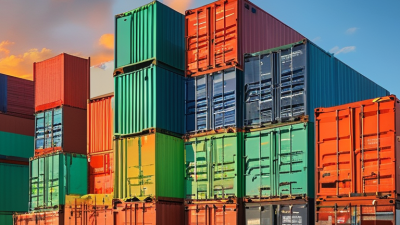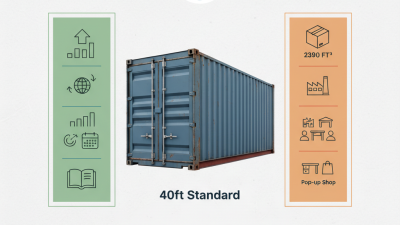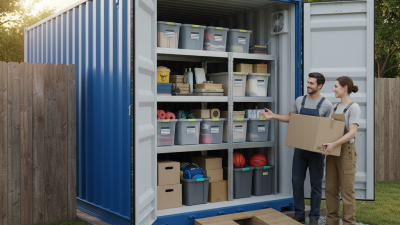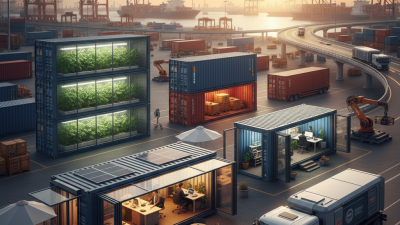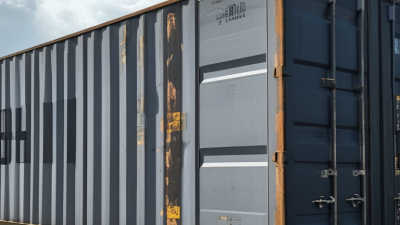
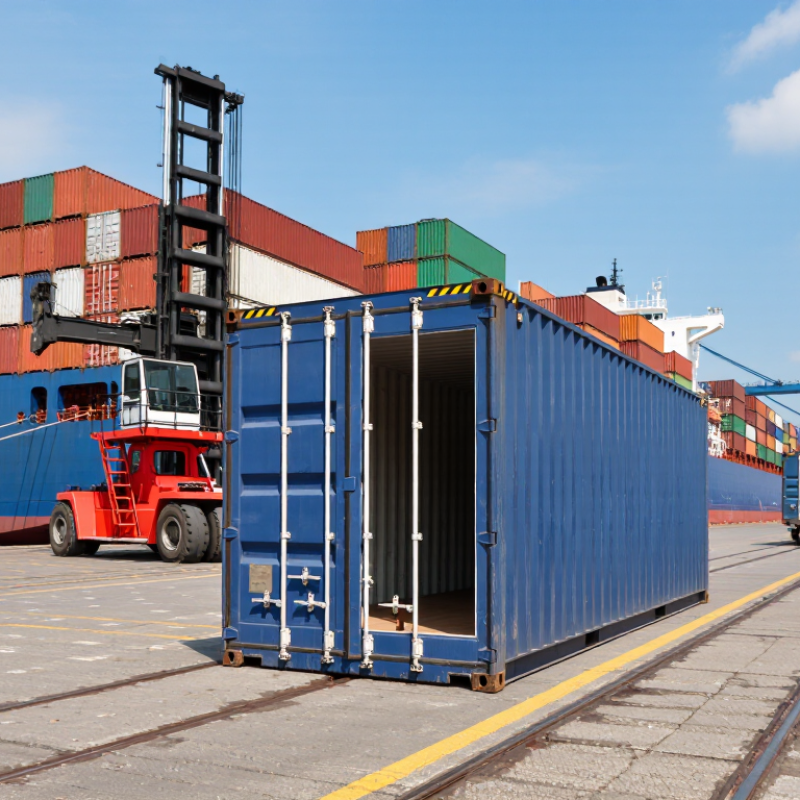
A box container is a standardized steel unit designed to move cargo between ships, trains, and trucks without repeated unloading. Most common models measure 20 or 40 feet long. Their reinforced corners fit securely onto ship decks, rail wagons, and chassis. A sealed door, wooden floor, and locking bars protect everything from cartons to machinery.
The scale is enormous. UNCTAD’s Review of Maritime Transport reports that more than 80% of global merchandise trade by volume travels by sea. The World Bank’s Logistics Performance Index also highlights tracking, timeliness, and reliable infrastructure as essential parts of modern logistics. These findings explain why the box container remains practical. It reduces handling, limits exposure to rain and dust, and speeds transfers at busy terminals. A forklift can move one loaded unit in minutes.
Jan Hoffmann, a maritime transport specialist at UNCTAD, has described maritime transport as “the backbone of international trade and the global economy.” His observation gives the box container wider meaning. It is not merely a metal box. It is a carefully standardized link in a global supply chain. Still, the definition is not perfect. Container size, material, insulation, and loading limits vary by design. A refrigerated box container needs power. An open-top model suits oversized cargo. A dry container does not solve every transport problem.
This article explains what a box container is, how it works, and where its practical limits appear. Real details matter, including door clearance, payload, moisture control, and handling equipment. There is no universal box for every shipment.
A box container is a rigid or semi-rigid enclosure used to hold, protect, and move goods. Its basic structure usually includes a base, four side panels, and an opening or lid. Some designs use separate flaps, while others have a hinged cover. The shape may be square, rectangular, or specially formed for fragile items.
Material affects how the container performs. Corrugated fiberboard is light and suitable for ordinary shipping. Plastic resists moisture and repeated handling. Wood provides greater strength for heavy equipment. Metal containers offer high durability but add weight.
In practical warehouse inspections, workers check corners, seams, and the bottom panel first. These areas often show crushing, splitting, or water damage.
Dimensions also matter. A container should hold its contents without excessive empty space. Too much room allows movement, while tight packing can deform the walls. Internal padding may reduce impact, but it can also occupy useful capacity. This detail is easy to overlook.
Weight distribution deserves attention as well. A dense object placed near one corner may weaken the base during lifting. The definition sounds simple, yet real performance depends on structure, material, closure design, and handling conditions.
What Is a Box Container and How Is It Used?
A box container is a structured enclosure used to store, protect, or transport products. Its walls reduce pressure, dust, and minor impacts during handling. In practice, the best choice depends on weight, moisture, stacking, and travel distance. No single box suits every shipment.
Corrugated cardboard boxes are common because they are light, affordable, and easy to recycle. Single-wall designs suit smaller products, while double-wall versions handle heavier loads. They stack well. Folding cartons use thinner paperboard and often hold food, cosmetics, or household items. Rigid boxes have stronger panels and a cleaner appearance, making them useful for delicate or presentation-focused products. Plastic totes are reusable and resist moisture, but they cost more and require return planning.
Wooden crates support heavy machinery and unusually shaped equipment. Their solid frames help reduce movement, although they add weight and need dry storage. Insulated boxes help protect temperature-sensitive goods during short transport periods. A packaging specialist should check internal dimensions, load limits, cushioning, and ventilation before selection. A practical test includes filling the box, stacking it, and inspecting corners after handling. A box can look strong and still fail at its weakest seam. I have found that rushed size choices create empty space, extra movement, and avoidable damage. Sometimes, a simpler box performs better.
A box container is a structured enclosure designed to hold, protect, and move products. Its design starts with the item inside. Engineers measure length, width, height, weight, and fragile areas before choosing materials.
Corrugated fiberboard is common because its fluted center adds strength without excessive weight. Plastic, plywood, or solid board may suit heavier or moisture-sensitive loads.
Internal dividers, cushioning pads, and corner supports reduce movement during handling.
Small details matter. A loose fit can cause impact damage, while excessive space increases material use and shipping costs.
Manufacturers create a prototype before full production. They test compression, vibration, stacking, moisture exposure, and controlled drops. These tests reveal weak seams, crushed edges, or poor closure systems.
The cutting plan is then prepared to reduce waste and maintain accurate dimensions. Machines cut, crease, print, fold, and join the panels. Water-based adhesives or mechanical fasteners may be selected according to the container’s purpose.
Quality staff inspect board thickness, panel alignment, joint strength, and closure performance. Measurement records support consistent production.
Still, no design is perfect. A container that performs well in a warehouse may struggle in rain or repeated handling. Experienced teams review real transport feedback and adjust the structure, material, or internal protection when evidence shows a weakness.
A box container is a rigid or flexible unit designed to hold, protect, and move products. Its size, material, openings, and load capacity vary by application. In logistics, workers use box containers for sorting parcels, storing components, and transferring goods between facilities. A reinforced base can reduce damage when forklifts lift heavy loads. Lids also help control dust, moisture, and accidental spills.
Manufacturing plants often place fasteners, tools, and machine parts in stackable box containers. Clear labels make inventory checks faster, especially beside busy assembly lines. In agriculture, ventilated containers protect harvested vegetables while allowing air to circulate. Retail warehouses use them for replenishment stock and returned items. The container must fit shelving depth, aisle width, and handling equipment. Small mismatches create daily problems.
Construction teams use durable boxes for cables, fittings, and safety equipment. Healthcare facilities may use specialized containers for clean supplies, subject to strict handling procedures. Food operations require easy-to-clean surfaces and materials suitable for the intended contact. A practical inspection should check cracks, sharp edges, contamination, and weight limits before reuse. The simple box is not always simple. One weakness is often overlooked: workers may stack containers too high because empty space feels inefficient. That choice can slow access and increase instability. Better results come from matching the container to the product, workplace, and movement pattern, then reviewing that decision after real use.
A box container is a rigid or semi-rigid enclosed unit designed to hold, protect, store, transport, or organize goods and materials. The most suitable type depends on the product, handling method, environmental conditions, hygiene requirements, and return or disposal process.
| Box Container Type | Common Materials | Typical Capacity or Format | Primary Industry Applications | Main Functions | Important Selection Factors |
|---|---|---|---|---|---|
| Corrugated Shipping Box | Fluted paperboard with kraft or recycled paper liners | Small parcels to large multi-wall cartons; commonly supplied flat-packed | E-commerce, retail distribution, manufacturing, publishing | Protects goods during parcel and pallet transport; supports stacking and labeling | Board strength, box size, moisture exposure, cushioning, and product weight |
| Rigid Fiberboard Box | Solid paperboard, coated board, or laminated fiberboard | Small and medium product packages | Consumer goods, food packaging, cosmetics, pharmaceuticals | Provides a firm structure and printable outer surface for product presentation | Compression resistance, coating, moisture protection, folding design, and recyclability |
| Plastic Storage Tote | High-density polyethylene or polypropylene | Typically reusable bins ranging from small organizers to large warehouse totes | Warehousing, automotive parts, workshops, offices, household storage | Reusable storage, internal material movement, sorting, and inventory organization | Load capacity, nesting or stacking design, temperature range, lid security, and cleanability |
| Reusable Distribution Container | Heavy-duty plastic, reinforced polymer, or composite materials | Standardized bins designed for repeated handling cycles | Retail replenishment, food distribution, industrial supply chains | Reduces single-use packaging and supports repeated transport between facilities | Durability, return logistics, sanitization, collapsibility, and tracking compatibility |
| Wooden Crate | Sawn timber, plywood, or engineered wood panels | Custom-built sizes for heavy, oversized, or irregular products | Industrial machinery, construction equipment, agricultural products, export shipping | Provides strong protection against impact, compression, and rough handling | Product dimensions, bracing, moisture control, pest-treatment requirements, and lifting points |
| Metal Container | Steel, stainless steel, or aluminum | Small parts boxes, drums, cabinets, and heavy-duty transport units | Engineering, chemicals, manufacturing, maintenance, defense logistics | Offers high strength, fire resistance, security, and protection from puncture | Corrosion resistance, wall thickness, closures, weight, chemical compatibility, and grounding needs |
| Insulated Box Container | Foam insulation combined with corrugated board, plastic, or molded panels | Small to medium temperature-sensitive shipments | Food delivery, laboratory transport, medical logistics, specialty distribution | Slows temperature change and protects contents from external heat or cold | Required temperature range, transit duration, coolant placement, condensation, and validation data |
| Bulk Box or Bulk Bin | Corrugated fiberboard, plastic, or composite panels | Large-volume containers commonly used for palletized loads | Agriculture, food processing, chemicals, automotive manufacturing | Holds large quantities of loose or packaged materials while reducing handling steps | Bulk density, liner requirements, stacking strength, discharge method, and contamination control |
| Collapsible Box Container | Foldable plastic, corrugated board, fabric, or wire mesh | Variable-volume units that fold when empty | Automotive supply, retail logistics, warehouse operations, reverse logistics | Saves return-trip and storage space while supporting repeated movement of goods | Folded height, durability, assembly time, load stability, and cleaning requirements |
| Hazardous-Material Box | Certified fiberboard, plastic, metal, absorbent materials, or combinations | Package sizes determined by the substance, quantity, and transport regulations | Chemical distribution, laboratories, healthcare, industrial waste management | Contains leaks, limits exposure, and provides compliant protection during transport | UN performance certification, chemical compatibility, inner packaging, labels, and documentation |
| Pharmaceutical or Medical Box | Paperboard, corrugated board, molded plastic, or insulated materials | Small unit packs to larger validated shipping systems | Healthcare, medical-device distribution, pharmacies, clinical laboratories | Protects products from contamination, impact, light, and temperature variation | Hygiene, tamper evidence, temperature control, traceability, and regulatory packaging requirements |
| Produce Box or Ventilated Container | Corrugated fiberboard, molded pulp, plastic, or wood | Small cartons to stackable field and distribution bins | Agriculture, food processing, grocery distribution | Supports airflow, protects fresh products, and facilitates grading and distribution | Ventilation area, moisture resistance, compression strength, drainage, and food-contact suitability |
Capacity, strength, and performance vary according to container dimensions, material grade, design, and applicable handling standards. Packaging should be tested against the actual product, transport route, stacking conditions, and regulatory requirements.
A box container is a structured enclosure used to store, protect, and move products. It may be made from corrugated fiberboard, plastic, wood, or metal. The right choice depends on the item, handling conditions, and storage period. A small electronic part needs cushioning and static protection. Fresh produce may require ventilation and moisture resistance. Heavy tools demand stronger walls and reinforced edges.
Dimensions are a practical starting point. Measure the product, including handles and protective wrapping. Extra empty space can increase movement and damage. Too little space can crush the contents. Weight also matters. A box that looks strong may still fail when stacked repeatedly. In warehouse work, I have found that testing a filled sample reveals weaknesses that specifications can miss.
The operating environment changes the decision. Outdoor transport may require resistance to rain, sunlight, and temperature shifts. Frequent reuse favors durable materials and easy cleaning. One-way shipping may favor lighter construction and lower material use. Cost should include packing labor, storage space, damage risk, and disposal. It is easy to choose the cheapest box. That choice is not always economical. A simple drop test, stacking test, and moisture check can provide useful evidence before purchase. Safety margins should reflect real handling, not ideal conditions. Mistakes still happen. Rechecking measurements is worthwhile.