2026 How to Use a Mini Shipping Container for Your Small Business?
As small businesses seek innovative ways to optimize space and reduce costs, the mini shipping container has emerged as a practical solution. This versatile option offers a unique way to set up a workspace, store inventory, or even serve customers directly. Unlike traditional retail spaces, a mini shipping container can be placed in various locations, attracting foot traffic without the hefty rental fees.
Consider the adaptability of a mini shipping container. Its compact size allows for creative designs, whether you choose to use it as a pop-up shop or a mobile studio. Many entrepreneurs have discovered that customizing these containers can lead to distinctive branding opportunities. However, placing a container in the wrong location may impede your business.
Reflect on your logistical needs. The transportability of a mini shipping container is a great advantage, but it also requires planning for set-up and regulation compliance. Every business is unique, so think carefully about how best to use this space. It's not just about having a container; it's about making it work for you. Every container has the potential to elevate your business if used thoughtfully.

Understanding Mini Shipping Containers and Their Benefits for Businesses
Mini shipping containers have become a popular choice for small businesses. They offer flexibility and efficiency in various settings. These containers can serve as pop-up shops, storage spaces, or even mobile offices. Their compact size allows them to fit in tight urban areas where traditional storefronts may struggle.
Businesses benefit from mini shipping containers in several ways. They are cost-effective compared to renting commercial spaces. Additionally, containers are durable, providing protection against weather elements. Customization options are available, allowing businesses to create a unique look. However, some challenges arise. Proper ventilation is essential, especially in hot climates. Without it, containers can become uncomfortably warm.
Some entrepreneurs find it hard to envision how to utilize the space effectively. Creating an inviting atmosphere within a small area requires creativity. It may take multiple attempts to find the right layout. Adapting to the container’s limitations can be frustrating but leads to innovation. Embracing these challenges helps refine business strategies over time.
Choosing the Right Size and Type of Mini Shipping Container
Choosing the right size and type of mini shipping container is crucial for small businesses. Mini containers typically range from 10 to 20 feet in length. The size directly impacts your storage capacity and operational efficiency. For instance, a 10-foot container can hold about 1,000 cubic feet. Conversely, a 20-foot container offers double that space.
Data from the Container Owners Association suggests that small businesses report a 35% increase in efficiency when they choose the right container size. This statistic highlights the importance of an appropriate fit. Small containers can facilitate more accessible inventory management. However, opting for a size too small may lead to overcrowding, which can hinder workflow.
When deciding on container types, businesses often face dilemmas. Different designs serve different functions. A vented container is suitable for perishables, while a standard container fits general supplies. According to a report by the International Council on Container Transport, businesses often underestimate their needs. Many end up needing more space due to rapid growth. It is essential to reflect on future needs as well. Choosing the wrong type can lead to wasted time and resources.
Setting Up Your Mini Shipping Container for Business Use
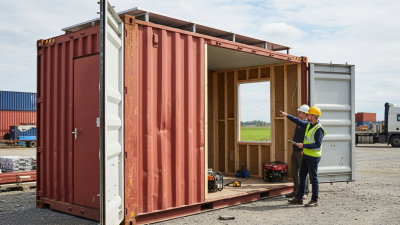
Setting up a mini shipping container for business use can be an innovative solution. The global shipping container market is expected to grow to $8.4 billion by 2025, highlighting the potential this setup holds. Choose a strategic location with good foot traffic. Visibility boosts sales, but rent and local regulations must be considered.
Inside, create a layout that enhances functionality. Use vertical space for storage, keeping the floor clear to encourage movement. Research shows that small businesses with organized spaces increase efficiency by 30%. A clean and inviting environment can attract more customers. However, be mindful of clutter; it's easy to overcrowd a small container.
Plumbing and electrical installations take careful planning. Hiring professionals is important, but it incurs significant costs. Reflect on whether the investment aligns with your profit goals. Outdoor elements can also pose challenges. Weather conditions can affect accessibility and comfort. Adapting your container for seasonal changes is crucial. Balancing costs against potential returns often requires reflection and adjustments.
Creative Uses of Mini Shipping Containers in Various Industries
Mini shipping containers are transforming various industries with their versatility.
In retail, these containers serve as pop-up shops. A study from the National Retail Federation found that 60% of consumers enjoy unique shopping experiences.
Mini containers provide that instant attraction without heavy investment. They can be placed in parks, festivals, or urban areas. This flexibility helps small businesses test new markets.
In the food industry, mini containers convert into food stalls. The Modular Food Solutions report indicates that 45% of food entrepreneurs prefer low-capital options.
These containers are portable, easy to install, and can enhance visibility at events. However, a lack of clarity on local health regulations can pose challenges.
Navigating permits is crucial, but it’s sometimes overlooked.
Small businesses can also utilize mini containers for storage. According to the Container Leasing Association,
storage solutions can reduce costs by up to 30%. Effective inventory management is vital, yet entrepreneurs often underestimate the importance of organization.
Poor inventory tracking can lead to waste and lost profits.
Tips for Maintaining and Securing Your Mini Shipping Container
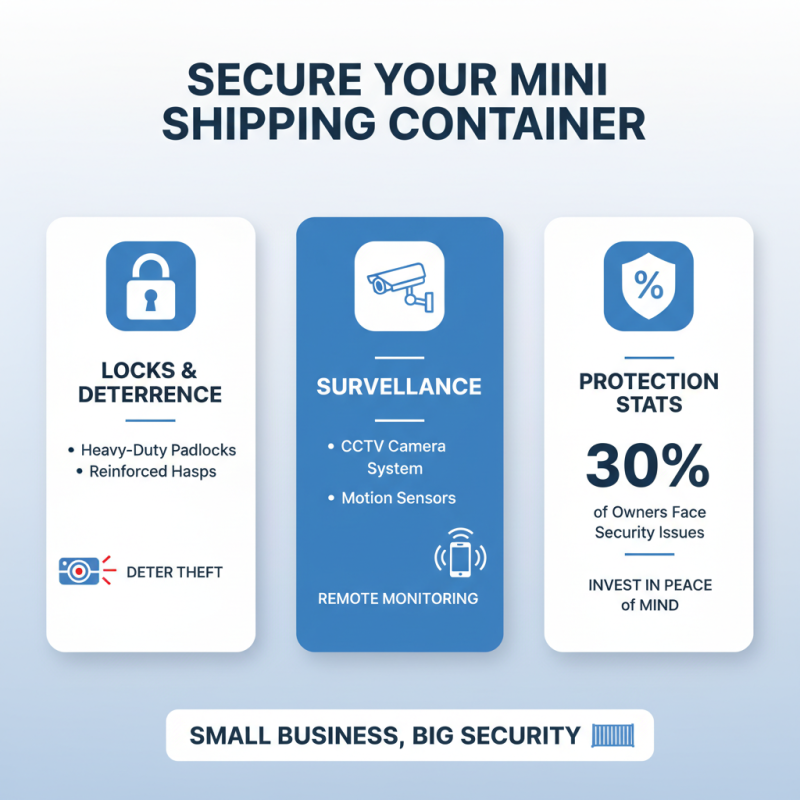
Maintaining and securing a mini shipping container is crucial for any small business using it as storage or workspace. According to industry reports, 30% of container owners experience security issues at some point. Investing in proper locks and surveillance systems is essential. Consider installing a simple camera to deter theft. A well-placed motion sensor can also alert you to any intrusions.
Temperature and humidity control are important for stored items. Inadequate ventilation can damage products. A small dehumidifier might help maintain ideal conditions. Yet, remember to check regularly for signs of mold or rust. Even with the best intentions, neglecting these aspects can lead to losses. Regular upkeep ensures your container remains a reliable asset.
Utilizing a shipping container means understanding its limitations. It’s not indestructible. Dents, scratches, and corrosion happen over time. Regular inspections can reveal potential problems early. Wear and tear can be costly if left unchecked. Using a checklist for maintenance can be a simple yet effective strategy for long-term success.