How to Use an 8ft Shipping Container for Storage and Transport?
Using an 8ft shipping container for storage and transport can be incredibly beneficial. Renowned expert, Thomas J. Wright, states, "An 8ft shipping container can optimize space while maintaining accessibility." This small, yet versatile option is perfect for individuals and businesses alike.
The compact size of an 8ft shipping container makes it ideal for tight spaces. It fits well in urban areas or smaller job sites. The sturdy construction protects items from harsh weather. However, choosing the right storage solution is not always straightforward. Reflect on the types of items you plan to store. Are they delicate or large?
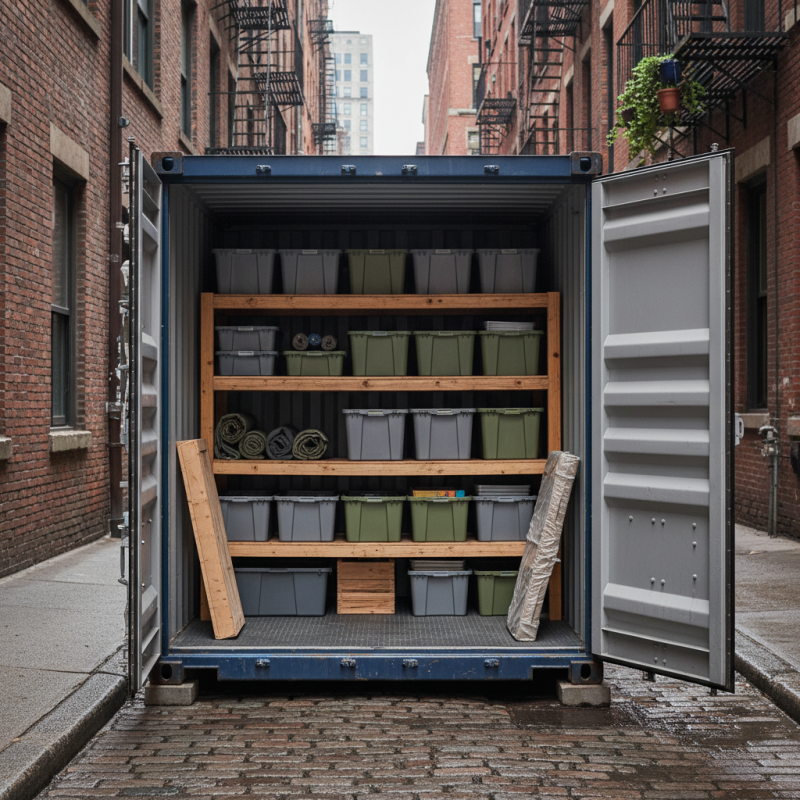
One major advantage is mobility. You can easily transport an 8ft shipping container when needed. Yet, some may find limited capacity a drawback. This requires careful planning and organization. Utilizing shelves or bins can maximize storage efficiency. Be mindful that it may not suit everyone’s needs. Assess your situation before investing.
Understanding the Dimensions and Capacity of an 8ft Shipping Container
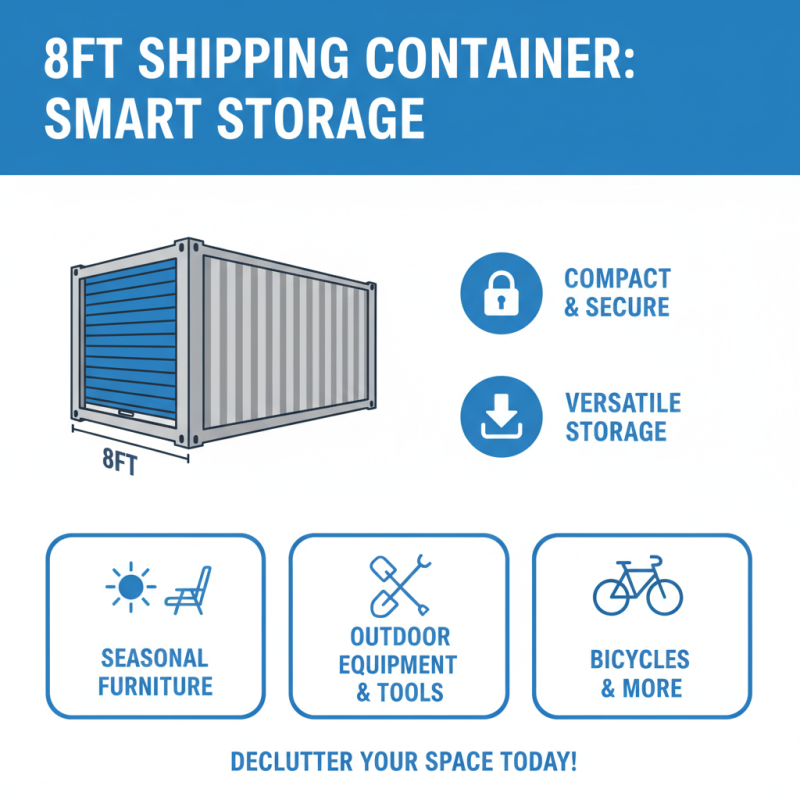
When considering an 8ft shipping container, it's crucial to understand its dimensions and capacity. Typically, an 8ft container is 8 feet long, 6 feet wide, and about 6.5 feet high. This compact size makes it ideal for small storage needs, but it can also be limiting. You might think it wouldn't hold much, yet it can still store various items securely.
Tip: Always measure your items before packing. Knowing your dimensions helps prevent overloading the container. Packing efficiently can maximize space. Consider using shelving units inside the container for better organization.
Transporting goods in an 8ft container is convenient. However, think about the weight limit. A standard 8ft container can handle about 2,000 pounds. It's easy to underestimate this, so be cautious. Arranging heavier items at the bottom can help maintain balance.
Tip: Keep a list of your items. This can aid in packing and unloading. It’s easy to forget what you put in there. A well-documented inventory can save you time later. Always remember, the purpose of the container is to keep things safe yet accessible.
Choosing the Right Storage Solution: Benefits of 8ft Shipping Containers
When considering storage solutions, 8ft shipping containers present a versatile option. Their compact size makes them suitable for limited spaces while providing ample storage. You can easily fit in seasonal equipment, tools, or even a small inventory. These containers offer excellent protection against weather conditions, keeping your items safe and dry.
Another benefit of 8ft shipping containers is their mobility. You can move them as needed, providing flexibility for transport. Imagine relocating your garden tools to a different site effortlessly. However, think carefully about placement. While they are portable, accessibility might be a concern in tight areas. It's essential to plan your layout beforehand. Additionally, consider ventilation if storing perishable items, as poor air circulation can lead to damage.
Benefits of Using an 8ft Shipping Container for Storage and Transport
Best Practices for Loading and Securing Items in a Shipping Container
When using an 8ft shipping container for storage and transport, securing your items is crucial. Start by assessing the contents. Heavy items should go on the bottom. This prevents shifting during transit. Use pallets to keep items off the floor. This strategy helps with ventilation and moisture control.
Use straps or ropes to secure larger items. They should be tightly fastened to avoid movement. Small items can be boxed and stacked. Fill gaps with packing materials to prevent shifting. Always label boxes clearly. It saves time when unloading and organizing later.
Sometimes, you may overestimate the space. It's easy to think everything will fit perfectly. If not organized well, the container may feel cramped. Reflect on what truly needs storage. This evaluation can help reduce clutter. Proper planning can make your shipping container a reliable storage solution.
Transporting Your 8ft Shipping Container Safely and Efficiently
Transporting an 8ft shipping container can be a straightforward process, yet it requires careful planning. Start by ensuring the container is empty and secure. This minimizes unnecessary weight and potential movement during transport. Keep the doors closed and locked. Inspect the container for any damages. Look for sharp edges or protruding parts that might cause issues.
Utilize a reliable transport vehicle, one rated for such containers. A flatbed truck works well. Ensure the container is well-positioned on the bed. Use straps and chains to secure it. Check the straps regularly. Loose straps can lead to accidents. Consider the route. Avoid low bridges or narrow streets. Obstacles can be costly.
Communicate with your transport team. Share your concerns and plans. It’s crucial for safety. No transport is without risk. Always have a backup plan. If the container shifts during transit, the consequences can be severe. Monitor the weather. Rain or snow can impact road conditions. Be prepared to delay if necessary. It’s better to be safe than sorry.
How to Use an 8ft Shipping Container for Storage and Transport
| Aspect |
Description |
Best Practices |
| Dimensions |
An 8ft shipping container typically measures 8ft long, 5ft wide, and 5ft tall. |
Ensure it is suitable for your transport and storage needs before purchase. |
| Uses |
Ideal for tools, furniture, and small inventory storage. |
Organize contents with shelving to maximize space. |
| Transport |
Can be transported by truck or trailer. |
Use proper securing straps to prevent movement during transit. |
| Ventilation |
Important for preventing moisture build-up and mold. |
Consider installing vents or leaving doors ajar when not in use. |
| Security |
Locking mechanisms are essential to protect valuables. |
Invest in a high-quality lock for added security. |
| Accessibility |
Location should be easily accessible for loading and unloading. |
Choose a flat and level ground for stability. |