China Top Large Shipping Container Manufacturers?
China has become a major sourcing base for large shipping container manufacturing, supported by extensive steel production, port infrastructure, and established export networks. However, identifying the top large shipping container manufacturers requires more than comparing factory size or advertised prices. Buyers should examine production capacity, container specifications, testing procedures, and delivery performance.
In practice, reliable manufacturers usually provide clear details about Corten steel grades, welding methods, floor construction, door seals, corner castings, and paint systems. These details matter when containers face salt air, heavy handling, repeated lifting, and long ocean voyages. A strong supplier should also explain how each unit is inspected before shipment. Photos help, but inspection records are stronger evidence. Factory visits can reveal useful information, although a polished showroom does not prove consistent production quality.
This guide introduces leading Chinese manufacturers and the factors used to evaluate them. It considers experience, international supply capability, certifications, customization support, and after-sales communication. Buyers may need units for general cargo, refrigerated transport, storage, or specialized logistics operations. Each application creates different technical demands. A low quotation may look attractive, yet weaker coatings or delayed replacement parts can increase the real cost. That point is easy to overlook.
Manufacturers change capacity, product ranges, and service standards over time. Therefore, readers should verify current certificates, references, and inspection arrangements before signing a contract. Careful comparison remains essential.
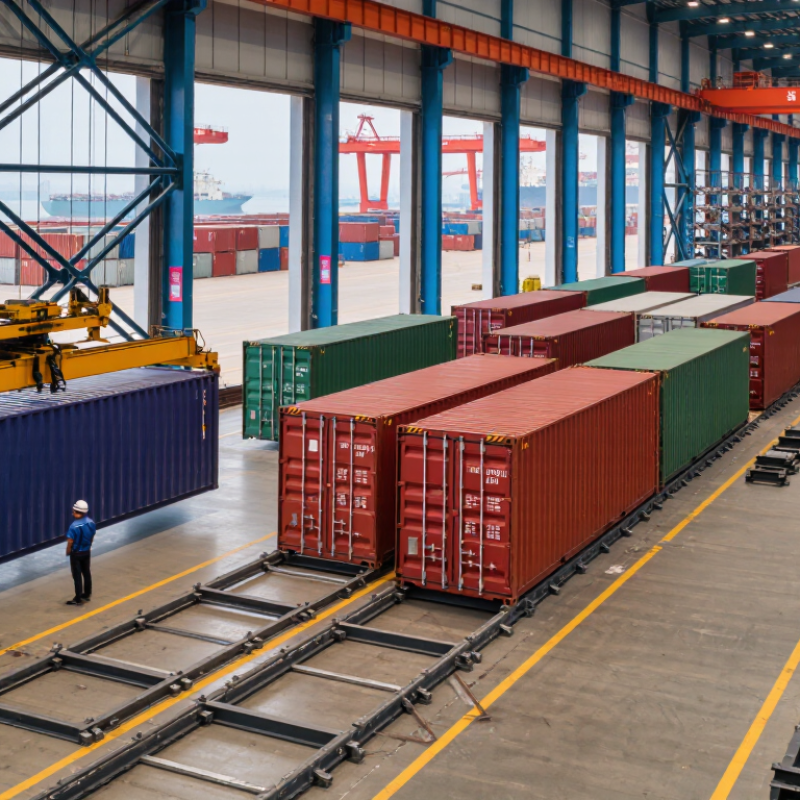
Definition and Role of Large Shipping Container Manufacturers in China
China Top Large Shipping Container Manufacturers?
Definition and Role of Large Shipping Container Manufacturers in China
Large shipping container manufacturers in China design, engineer, and produce steel containers for global cargo movement. Their work includes material selection, welding, coating, door fitting, and final inspection. A standard container may look simple, but its strength depends on accurate dimensions and consistent weld quality.
These manufacturers support shipping lines, freight operators, warehouses, and manufacturers that move goods across long distances. Large production facilities can provide standard dry containers, refrigerated units, open-top models, and specialized equipment. Each type requires different insulation, ventilation, drainage, or load-bearing solutions. Experienced factories usually maintain material records, welding procedures, and inspection reports for every production batch.
Quality control happens at several stages. Inspectors check steel thickness, corner fittings, door alignment, paint coverage, and water resistance. Practical experience matters here. A container can pass a visual check yet develop corrosion after repeated exposure to salt air. Testing should therefore include structural checks and coating evaluation, not only appearance.
No factory is perfect. Small process errors can still affect service life. This is where transparent communication becomes important. Buyers should review production samples, maintenance support, delivery records, and compliance documents before placing large orders. Reliable manufacturers explain limitations instead of promising unlimited performance. That honesty may prevent expensive problems later.
Key Types of Shipping Containers Produced by Chinese Manufacturers
China’s large shipping-container manufacturers produce several ISO-compliant equipment types for different cargo conditions. The standard dry container remains the workhorse, especially in 20-foot and 40-foot formats. High-cube units add 30 centimeters of internal height, helping operators load bulky cartons more efficiently. Drewry’s Container Census 2024 estimates that the global container equipment fleet exceeds 50 million TEU, showing the scale of this standardized market.
Refrigerated containers, or reefers, use insulated walls, sensors, and compressor systems to control temperature during transport. They commonly carry food, pharmaceuticals, and other temperature-sensitive goods. Open-top containers allow cranes to load tall machinery from above. Flat racks support heavy or oversized cargo, while tank containers transport regulated liquids under strict technical requirements. The International Maritime Organization’s container safety framework and the ISO 668 dimensional standard remain important references for design and interchangeability.
Chinese production lines also make side-opening, double-door, and specialized containers for construction, storage, and industrial projects. Steel thickness, corner-casting accuracy, floor treatment, and weld quality can differ considerably between factories. That detail matters. A low price may conceal faster corrosion or weaker door seals. UNCTAD’s Review of Maritime Transport 2024 highlights the continuing importance of efficient containerized trade, but equipment choice still depends on route, cargo weight, climate, and inspection records. Specifications look neat on paper. Real-world performance is less predictable.
Leading Chinese Manufacturers and Their Product Specialties
China’s large shipping container manufacturers serve global logistics with specialized production lines. Their strongest advantage is often scale, not simply low pricing. Large plants can process steel coils, form corrugated panels, and complete welding in controlled sequences. This supports consistent dimensions across thousands of units.
Some manufacturers focus on standard dry containers for general cargo. These usually feature weather-resistant corten steel, plywood floors, and galvanized door hardware. Others specialize in high-cube models, adding interior height for lightweight, bulky cargo. Refrigerated-container producers concentrate on insulated panels, temperature-control systems, and airtight door seals. Their testing may include cooling performance, electrical safety, and repeated door operation.
Several Chinese factories also develop open-top, flat-rack, and tank containers for specific transport requirements. Open-top units suit tall machinery, while flat racks support oversized industrial equipment. Tank containers require tighter material control, pressure testing, and traceable inspections. Reliable manufacturers normally align production with recognized international standards and provide serial records, inspection documents, and load specifications.
Practical experience still matters. A polished factory tour cannot replace checking weld quality, floor strength, paint thickness, and spare-parts support. Some suppliers offer attractive customization but underestimate delivery coordination. That weakness deserves attention. Buyers should compare sample units, testing procedures, repair access, and long-term maintenance terms before placing large orders. Specification sheets help, but physical verification reveals more.
Manufacturing Standards, Materials, and Quality Control
Large shipping container manufacturers in China must control more than production speed. Reliable factories follow international dimensions and structural requirements, including ISO 668 and ISO 1496 practices. These standards guide corner fitting positions, external measurements, load capacity, and stacking strength. Certification alone is not enough.
Material selection affects service life. Most dry containers use weather-resistant steel for side panels, roofs, and frames. The steel should have consistent thickness and verified mechanical properties. Floors often use treated hardwood or engineered boards with controlled moisture levels. Corner castings need accurate casting quality, because small flaws can affect lifting safety. Welding deserves close attention. Inspectors should check penetration, alignment, surface cracks, and heat distortion.
Quality control should begin with incoming material checks, not the final inspection. A dependable plant records steel batches, welding operators, coating thickness, and repair history. Finished units require dimensional measurement, door operation tests, water-tightness checks, and visual coating inspections. I have found that simple details matter: a door gasket pressed unevenly can allow water inside during heavy rain. Checklists help, but they can also create false confidence. Human inspection may miss a hidden weld defect, so sampling plans and independent testing remain useful. Factories should review failed inspections honestly, even when production targets are affected. That discipline is not perfect, but it makes quality claims more credible.
How to Select a Reliable Large Container Manufacturer in China
China Top Large Shipping Container Manufacturers?
Choosing a reliable large shipping container manufacturer in China requires more than comparing prices. Start by checking production experience, factory capacity, and documented quality procedures. Ask for recent project photos, material specifications, and inspection records. A serious supplier should explain steel grades, welding methods, coating systems, and load requirements clearly. Vague answers are warning signs.
Request samples or a controlled prototype before placing a large order. Inspect door alignment, floor strength, corner fittings, drainage points, and paint coverage. Independent inspections can verify dimensions and welding quality before shipment. Confirm compliance with the destination market’s transport and safety requirements. Also review payment terms, production schedules, packaging, spare parts, and after-sales support. A low quotation may look attractive. In practice, weak coating or poor tolerances can create expensive delays. I have found that buyers sometimes focus too heavily on appearance. That is an easy mistake.
Tips: Compare at least three qualified factories. Visit the facility, physically or through a live video tour. Check whether the workshop has cutting, welding, painting, and testing areas. Ask how defects are recorded and corrected. Require a written quality agreement with measurable tolerances. Keep communication in clear, detailed documents. A small misunderstanding can affect hundreds of containers. Do not rely only on certificates; verify their scope, validity, and issuing body. Good manufacturers welcome careful questions, although some buyers may ask too many basic ones. That is still better than discovering problems after delivery.