How to Choose the Right Freight Container for Your Shipping Needs?
Selecting the right freight container for shipping is crucial for businesses. With global trade on the rise, understanding your options is more important than ever. Reports indicate that the global shipping container market is projected to reach $9 billion by 2025. This highlights the significance of choosing the correct freight container to enhance shipping efficiency.
Freight containers come in various types and sizes, each designed for specific needs. For example, a standard 20-foot container can hold about 33 cubic meters of cargo. This makes it ideal for smaller shipments. However, larger shipments might require a 40-foot container, which offers twice the space. Understanding these dimensions is essential when planning your logistics.
Many companies still struggle with container selection. A miscalculated choice can lead to increased costs and delays. Making informed decisions involves analyzing factors like cargo type, destination, and seasonality. Every detail counts, and a small oversight can lead to significant logistical challenges. Recognizing these complexities can aid in choosing the right freight container for your shipping needs.
Factors to Consider When Selecting a Freight Container
Choosing the right freight container involves several critical factors. First, consider the dimensions of your cargo.
Standard containers come in 20-foot and 40-foot sizes. Measure your goods before deciding. Weight capacity is also vital. Not all containers are built to hold heavy items. Ensure your chosen container can safely accommodate your load.
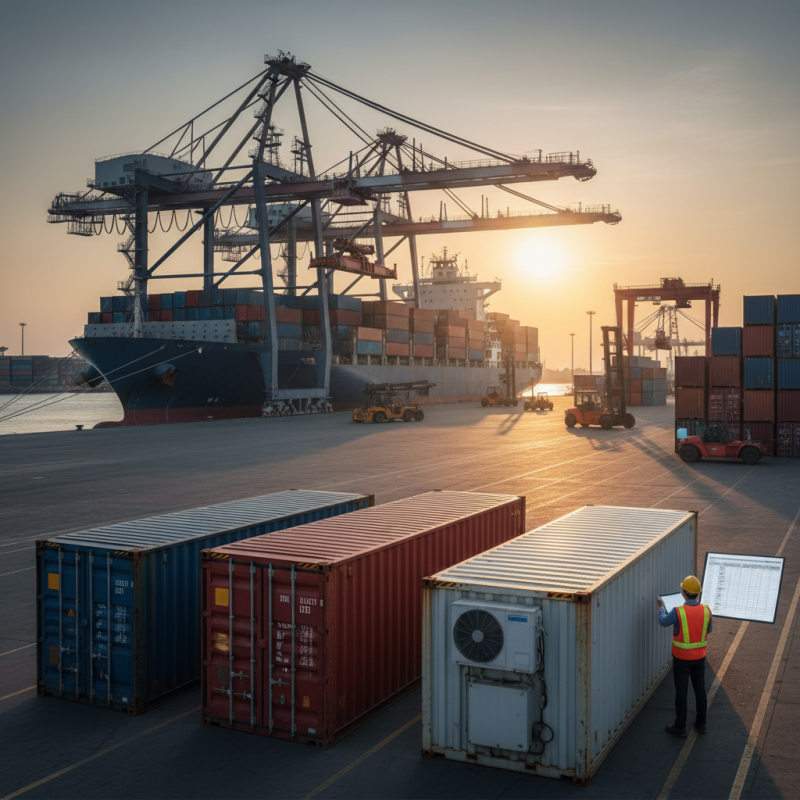
Temperature control might be necessary for certain shipments. If you're transporting food or pharmaceuticals, look for refrigerated containers. These options help maintain product integrity. Security is another concern. Some containers offer better locking mechanisms. Assess your goods' risk level before finalizing your choice.
Your budget should be clear. Higher-quality containers come with a price. However, cheaper options might not withstand tough conditions. Sometimes, a balance is needed. Consider the shipping route too. Different environments can affect container durability. Reflect on these factors. Are you prioritizing cost over safety?
Types of Freight Containers and Their Specific Uses
When selecting a freight container, understanding the types available is crucial. There are standard, refrigerated, and specialized containers, each serving different purposes. Standard containers are great for dry goods. They efficiently secure a variety of items, from clothing to machinery. However, they may not suit all types of cargo.
Refrigerated containers, or reefers, maintain temperatures for perishables. This is essential for shipping food and pharmaceuticals. While effective, they can be more costly to operate. Ensure your items truly need this type to avoid unnecessary expenses.
Tip: Always consider the nature of your cargo. Assess whether it requires climate control or protection from moisture. Specialized containers, like tankers, are necessary for liquids. They provide safe transportation but come with their own operational challenges. It’s important to evaluate what exactly your products need.
How to Choose the Right Freight Container for Your Shipping Needs?
| Container Type |
Dimensions (L x W x H) |
Weight Capacity |
Typical Uses |
| Standard Container |
20' x 8' x 8.5' |
22,000 lbs |
General Cargo |
| High Cube Container |
40' x 8' x 9.5' |
28,000 lbs |
Larger Volume Cargo |
| Reefer Container |
40' x 8' x 9.5' |
30,000 lbs |
Temperature-sensitive Goods |
| Open Top Container |
20' x 8' x 8.5' |
22,000 lbs |
Oversized Cargo |
| Flat Rack Container |
40' x 8' x 2.5' |
30,000 lbs |
Heavy Machinery, Large Items |
Measuring Your Cargo for Container Suitability
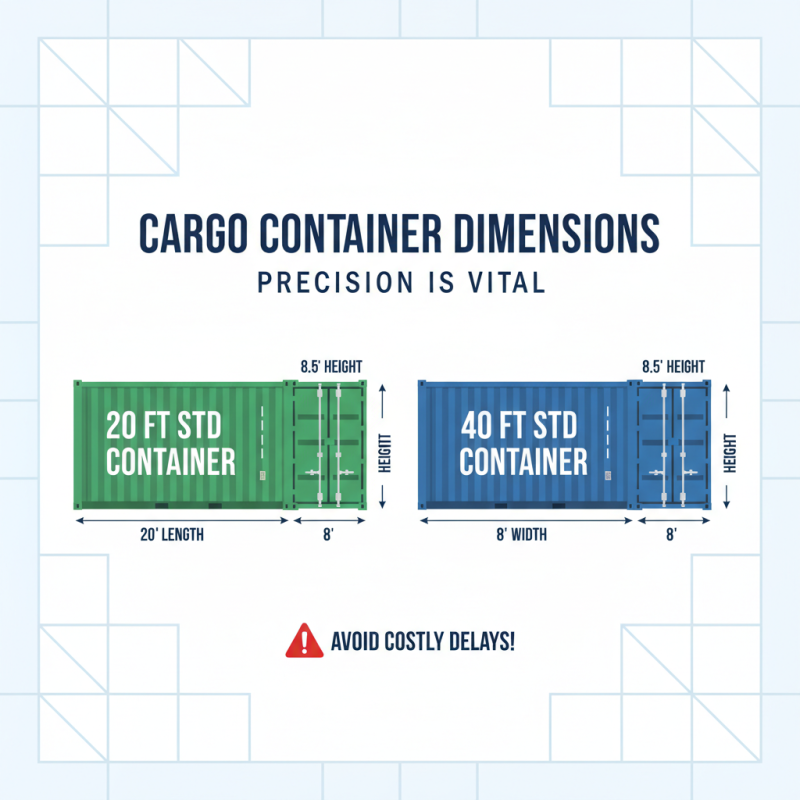
When measuring your cargo for container suitability, precision is vital. Each freight container comes in standard dimensions. For example, a 20-foot container typically measures 20 feet long, 8 feet wide, and 8.5 feet high. In contrast, a 40-foot container measures 40 feet in length, maintaining the same width and height. Ensuring your cargo fits within these limits means you avoid costly shipping delays.
To maximize space, consider both volume and dimensions. A cubic meter of shipping space accommodates about 1,000 kilograms of goods, depending on their density. Miscalculating can lead to underutilized space or excess weight, both of which increase costs. Data from the International Maritime Organization shows that optimizing cargo space can reduce shipping costs by up to 30%.
Tip: Always measure not just the external dimensions of your cargo but also any protrusions. Irregular shapes complicate fitting into a standard container. If your items are fragile, consider additional padding in the calculation.
Tip: Keep in mind that some containers offer specific loading techniques. For instance, Flat Rack containers can hold oversized items but require careful strategizing. Take time to assess every aspect of your cargo. This ensures a smoother shipping experience and can save you money in the long run.
Understanding Weight Limits and Capacity of Containers
When choosing a freight container, understanding
weight limits and capacity is crucial. Each container type has specific weight restrictions. For instance, a
standard 20-foot container can hold about 28,000 pounds.
This is a maximum limit, not a target. Overloading can lead to serious shipping issues.
Consider the type of cargo too. Bulky items may require more space, while
dense materials could weigh more. It’s challenging to find a perfect balance.
Sometimes, you may need to opt for a larger container, resulting in higher costs.
That’s an important trade-off to reflect on.
Moreover, different vessel sizes may limit your options. Some ports only handle specific container sizes.
Always check these restrictions. Again, these
operational details can complicate planning. Shipping logistics can be a puzzle, and each piece matters in
choosing the right container. The aim is to avoid costly mistakes.
Evaluating Container Costs and Budget Considerations
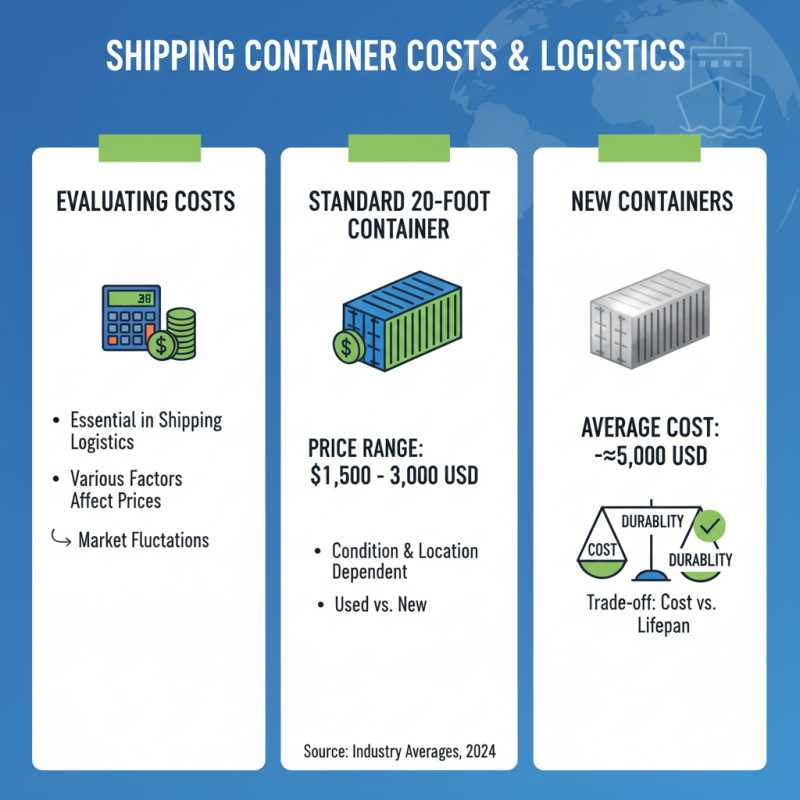
Evaluating container costs is essential in shipping logistics. Various factors affect prices in this market. For instance, a standard 20-foot container can cost between $1,500 and $3,000, depending on the condition and location. New containers are pricier, averaging around $5,000. The trade-off between cost and durability is significant.
Budget considerations extend beyond acquisition costs. Maintenance and repair should be factored in. Reports indicate that about 10% of containers require some level of repair during their lifecycle. This is an area often overlooked but crucial for long-term planning. Additionally, freight costs fluctuate based on demand. In 2021, shipping rates surged 300%, affecting budget stability.
Practical details matter when choosing containers. Look at size requirements first. Are you shipping bulk items or fragile goods? Each type of freight requires different container specifications. Also, consider transportation logistics. A cheaper container may end up costing more due to inefficiencies in loading and unloading. Balancing initial costs with long-term operational efficiency can be challenging. Make informed decisions based on reported trends and data.