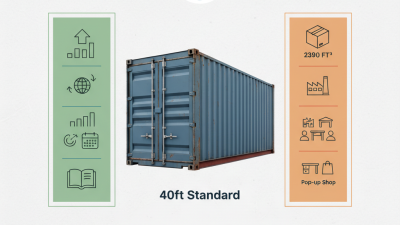
In an evolving global market, selecting the right cargo shipping container is crucial. According to industry reports, container shipping volumes reached over 200 million TEUs in 2022, reflecting the growing demand for efficient logistics solutions. Properly choosing a cargo shipping container can significantly enhance shipping efficiency and reduce costs.
However, many businesses still struggle with this choice. Factors such as size, material, and special features often lead to confusion. An estimated 30% of companies reportedly select containers without fully understanding their specific needs. It's important to match the container type to the goods being shipped, considering aspects like weather resistance and security.
Furthermore, stakeholders should be aware of the environmental impact of cargo shipping containers. The potential waste generated in the supply chain prompts reflection on sustainability. By addressing these challenges, businesses can optimize their operations while contributing positively to the industry’s future.

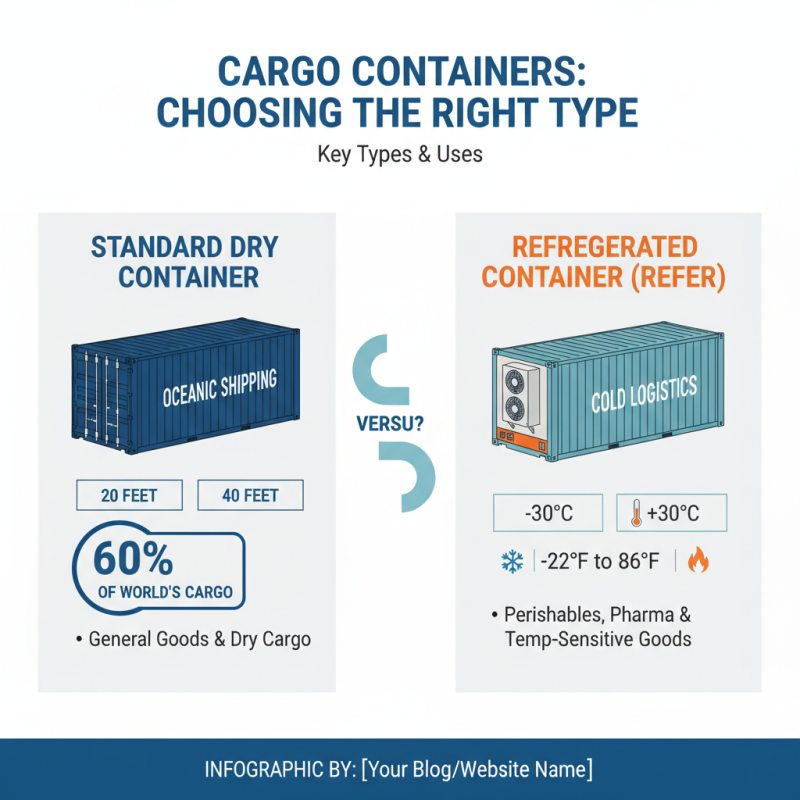
When choosing the right cargo shipping container, it’s crucial to understand the different types available. Containers vary significantly in design, size, and purpose. The two most common types are standard dry containers and refrigerated containers. A standard dry container, usually measuring 20 or 40 feet in length, is ideal for most general cargo. In fact, 60% of all cargo shipped worldwide uses these standard containers.
Refrigerated containers, often called reefer containers, are essential for transporting perishable goods. They maintain a controlled environment, which is vital. Reports indicate that the global demand for reefer containers is increasing by 5% annually. However, one should consider the energy costs associated with running a reefer. It can be significantly higher than using a standard container, leading to budget overruns.
Moreover, specialized containers exist for bulk liquids and open tops. These are sometimes overlooked. For instance, open-top containers allow for taller cargo, but securing items can be a challenge. While each type serves a purpose, businesses must assess their unique needs carefully. The wrong choice can lead to damage, loss, or increased expense. Having a clear understanding is key to making an informed decision.
Choosing the right cargo shipping container starts with understanding your cargo's size and weight. Assessing these requirements is crucial for efficient transportation. Overloading a container can lead to potential hazards. It can damage your goods or compromise safety during transit.
Start by measuring the dimensions of your cargo. It’s essential to note its length, width, and height. A detailed measurement helps avoid unexpected surprises. Weight is equally important; ensure you know the total weight of your cargo. An underestimated weight can cause serious issues for shipping operations.
Consider the space needed around your cargo. Some items require extra protection or ventilation. This can increase the overall container size you need. However, opting for a larger container may seem safer but can also lead to higher costs. Balancing safety and budget is a challenge. Keep in mind that precise calculations can save you from future headaches.
Aim for accuracy, but be prepared to adjust your choices as needed.
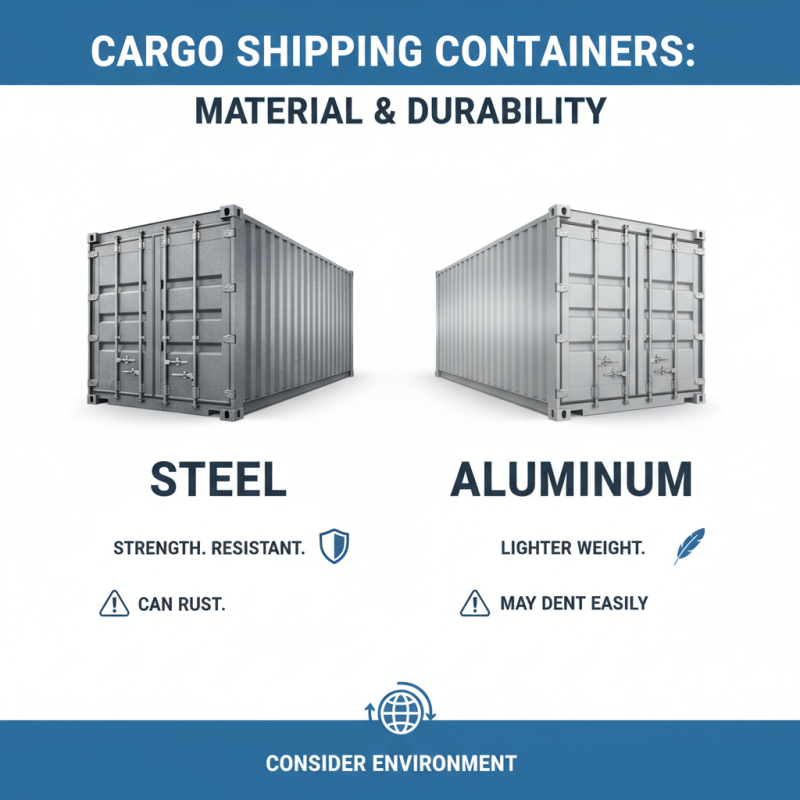
When choosing a cargo shipping container, the material and durability should be your top priorities. Steel containers are common. They offer strength and resistance. However, they can rust. Aluminum containers are lighter but may dent easily. Think about the environment where your container will be used.
For example, if you plan to ship goods to coastal areas, choose materials that resist corrosion. Climate and transport conditions matter a lot. Can your container handle extreme temperatures or humidity? These factors can greatly affect your cargo.
Also, consider how long you expect to use the container. Short-term needs might allow for lower durability options. Long-term situations often require better materials. Reflect on your specific requirements. What’s ideal today may not suit the future. Always plan for possible changes in your shipping needs.
When considering the right cargo shipping container, environmental factors and shipping distance play crucial roles. According to a report from the International Maritime Organization, about 80% of goods globally are transported by sea. This highlights the significant environmental impact of shipping distances. Containers traveling longer routes might need additional fuel, increasing carbon footprints.
Tips: Always evaluate the shipping distance. Longer distances might require more robust containers. Look into the shipping routes. Some routes are more eco-friendly.
Materials used in shipping containers also matter. Research suggests that steel containers produce emissions during production. Yet, shipping containers can be reused and repurposed, theoretically reducing their environmental impact. This recycling potential often goes overlooked.
Remember: not all shipping options are eco-friendly. Some methods may seem cheaper upfront, but long-term environmental costs can be higher. Balancing cost, efficiency, and eco-friendliness can be complex but necessary for sustainable logistics practices.
| Container Type | Dimensions (ft) | Weight Capacity (lbs) | Ideal Shipping Distance (miles) | Environmental Impact Rating |
|---|---|---|---|---|
| Standard Dry Container | 20 x 8 x 8.5 | 44,000 | 500 | Moderate |
| High Cube Container | 40 x 8 x 9.5 | 67,200 | 1000 | Low |
| Reefer Container | 40 x 8 x 9.5 | 60,000 | 300 | High |
| Flat Rack Container | 20 x 8 x 8.5 | 48,000 | 400 | Moderate |
| Open Top Container | 40 x 8 x 8.5 | 67,200 | 600 | Moderate |
When budgeting for shipping container costs, start with the purchase price. Containers can vary in price based on size and condition. A used container might be cheaper, but inspect it carefully. Hidden damages could lead to extra repair costs.
Consider transportation fees next. The distance to your destination matters. Local shipping can be affordable, while international shipping usually adds significant costs. Sometimes, fees for different ports can vary. Always get quotes from multiple sources to ensure you're getting a fair deal.
Don’t forget about permits or other logistical fees. Regulations can differ by location, and some require permits for container placement. It's easy to overlook these costs. Adding them to your budget helps avoid surprises later. Remember, a well-planned budget can save you from unexpected headaches.