How to Choose the Right 20ft Container for Your Shipping Needs?
Choosing the right 20ft container is crucial for effective shipping. This decision can impact your logistics costs and efficiency. A 20ft container offers a versatile solution for various shipping needs, whether for personal moves or business purposes.
When selecting a 20ft container, consider its condition. New containers are often more reliable but come at a higher cost. Used containers can save money but may require repairs. Assessing the container's state through inspection is essential. Look for rust, structural integrity, and door functionality.
Capacity is another important factor. A 20ft container can hold approximately 28 cubic meters. Understanding your cargo dimensions helps avoid overloading. Additionally, think about the type of cargo you are shipping. This affects whether you need a standard or refrigerated container. Making the right choice involves thoughtful analysis. Shipping can become a complex puzzle, deserving careful consideration.

Understanding the Different Types of 20ft Shipping Containers
When selecting a 20ft shipping container, understanding the various types is crucial. The most common types include
general-purpose,
high cube, and
refrigerated containers. Each has unique features and capacity to meet diverse shipping needs.
According to industry reports, general-purpose containers account for about 60% of all container usage. They are ideal for standard cargo like textiles or furniture.
High cube containers are 1 foot taller than standard containers. This extra height allows for more volume.
They are often used for lighter, bulkier goods. Additionally, refrigerated containers, or “reefers,” maintain specific temperatures for perishable items.
Industry data indicates a steady increase in demand for refrigerated containers, particularly in food transport. It's important to consider your
cargo type when choosing the container.
In selecting a container, weigh your options carefully. Each container type has strengths and weaknesses. High cube containers may not fit well in certain ports due to height restrictions.
On the other hand, refrigerated containers have higher operational costs. Each decision impacts the overall cost and efficiency of shipping.
Take time to evaluate your needs thoroughly before making a choice.
Assessing Your Shipping Needs: Weight, Volume, and Cargo Type
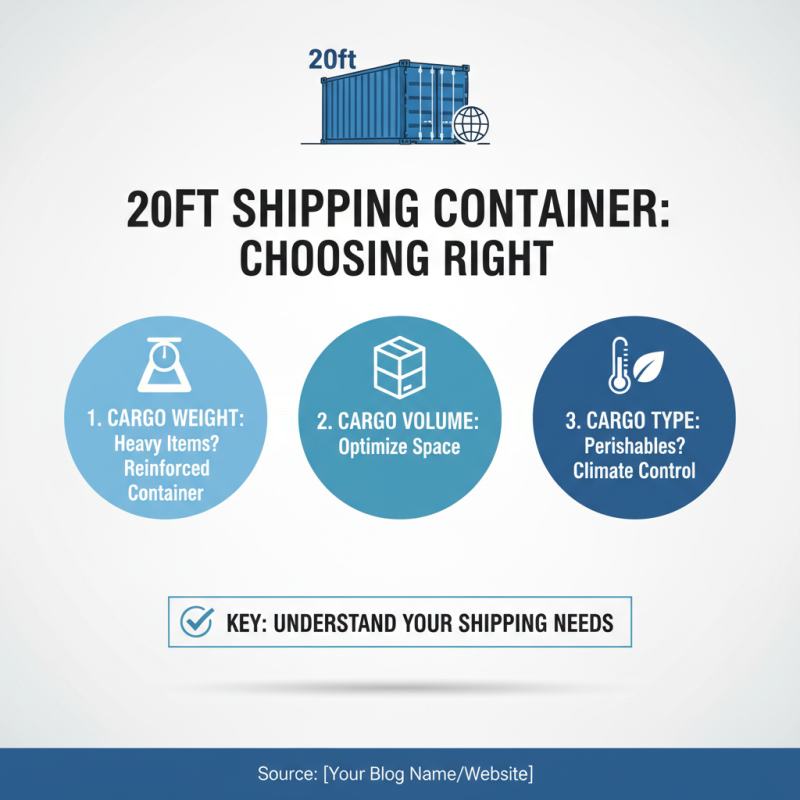
When choosing a 20ft container for shipping, understanding your shipping needs is crucial. Consider weight, volume, and cargo type carefully. The weight of your cargo can significantly impact container selection. Heavy items might require special handling or reinforced containers. We must also think about the type of goods being transported. Perishable items, for instance, may need climate-controlled solutions.
Volume plays a key role too. Calculate the dimensions of your cargo. Are you maximizing space? A well-packed container reduces shipping costs. On the other hand, overloading can lead to complications. Understanding the physical characteristics of your items is equally important. Fragile goods need more padding and protection inside the container. Packaging materials can be an added expense.
Sometimes, we overlook the importance of accessibility. How will the container be loaded and unloaded? If your shipping route involves tight spaces, that needs to be considered. Not all containers suit all environments. Each choice carries its own set of challenges. Remember to evaluate every option. Learning from past experiences can guide better decisions in future shipments.
Key Features to Consider When Selecting a 20ft Container
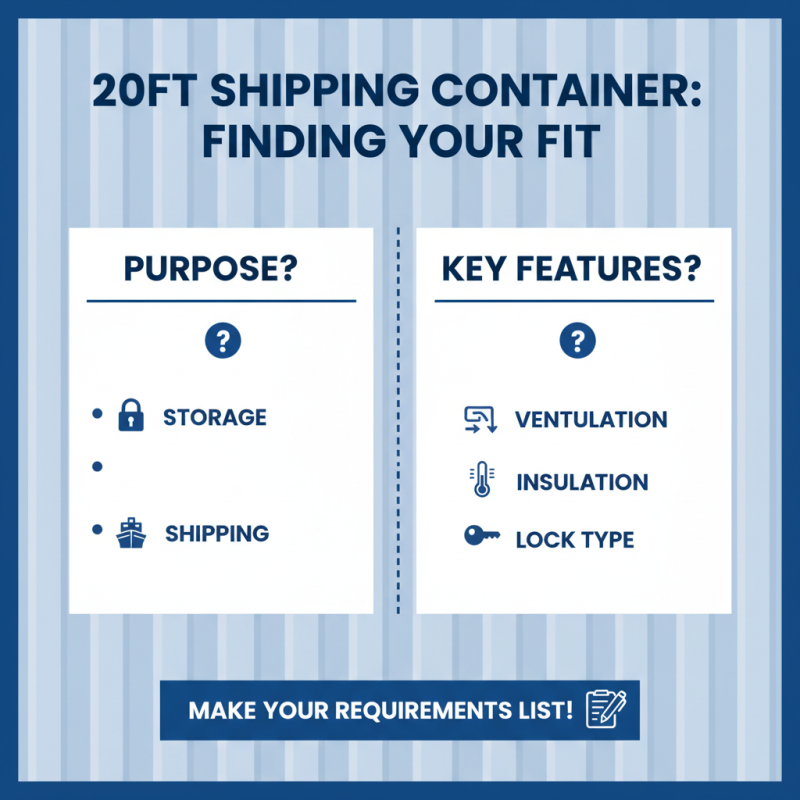
Choosing the right 20ft container involves considering several key features. First, look at the container’s construction material. Steel is common for security and longevity. However, a plastic option could be lighter and resistant to corrosion. Both have their pros and cons.
Think about insulation too. If temperature control is essential, insulated containers are necessary. They can help maintain goods in extreme weather. Check the container’s condition as well. Rust or dents can affect its durability. It’s vital to inspect both interior and exterior thoroughly.
Lastly, don't overlook accessibility. Ensure you have suitable doors that provide easy access to your cargo. Consider the weight limits as well. Overloading can lead to issues. Shipping needs vary greatly. Be mindful of your specific requirements when making a decision.
How to Choose the Right 20ft Container for Your Shipping Needs? - Key Features to Consider When Selecting a 20ft Container
| Feature |
Description |
Importance |
| Size |
20ft container dimensions: 20' L x 8' W x 8.5' H |
Essential for cargo fitting |
| Weight Capacity |
Maximum payload typically around 28,000 lbs |
Determines the amount of cargo |
| Material |
Usually made of steel or aluminum |
Affects durability and security |
| Type |
Options include standard, high cube, and refrigerated |
Important for specific cargo needs |
| Ventilation |
Required for cargo that produces moisture |
Prevents damage to goods |
| Security Features |
Locks, seals, and reinforced walls |
Crucial for theft prevention |
| Condition |
Options available: new, like new, used |
Influences cost and reliability |
Cost Factors: Pricing and Budget Considerations for Containers
When choosing a 20ft shipping container, cost is a critical factor. Prices typically range from $1,500 to $5,000, depending on condition and location. A new container will cost more, while a used one may be for budget-conscious buyers. However, the condition is vital. A lower price might mean more wear and tear.
Shipping container costs also include delivery fees. These can add hundreds to the total price. Regions with high demand may see steeper charges. Research local markets to get fair estimates. Always consider additional costs, like maintenance and repairs. Skimping on quality can lead to more spending later.
Market data suggests that overall container prices increased by about 20% over the past year. Supply chain disruptions are a significant contributor. Yet, these variables can fluctuate, making it essential to stay informed. Pricing trends can change overnight, impacting your budget. Don't rush the decision. Analyze your long-term needs before committing. A hasty choice may not meet your shipping requirements effectively.