2026 Best 10ft Shipping Container Type to Buy?

Choosing the best 10ft shipping container in 2026 requires more than comparing prices online. A container may look sound in photographs, yet hide floor damage, weak door seals, or corrosion beneath fresh paint. The right choice depends on your cargo, site access, climate, lifting equipment, and expected service life. Small details matter.

Lars Jensen, a respected container-shipping analyst and founder of Vespucci Maritime, has said, “The only certainty is uncertainty.” That warning applies to container buying. Steel prices, regional availability, inspection standards, and delivery costs can change quickly. This guide will examine new “one-trip” units, used cargo-worthy containers, high-cube options, side-door models, and specialized designs. It will also consider payload limits, ventilation, locking bars, floor condition, and valid CSC markings where applicable.

There is no universal winner. A new 10ft shipping container may offer cleaner walls, tighter seals, and fewer repair concerns. A used unit may cost less, but its history deserves careful checking. Side doors can simplify warehouse access, though they may reduce internal wall strength and increase the purchase price. High-cube models provide extra headroom, but availability can be limited in some regions.

Some recommendations will remain imperfect. Budget estimates may shift before publication. Local suppliers may describe grades differently. That is why this comparison emphasizes inspection evidence, not attractive listings alone. Expect practical guidance, visible trade-offs, and a few uncomfortable questions before you buy. The best container is not always the newest one. It is the one that safely matches the job.
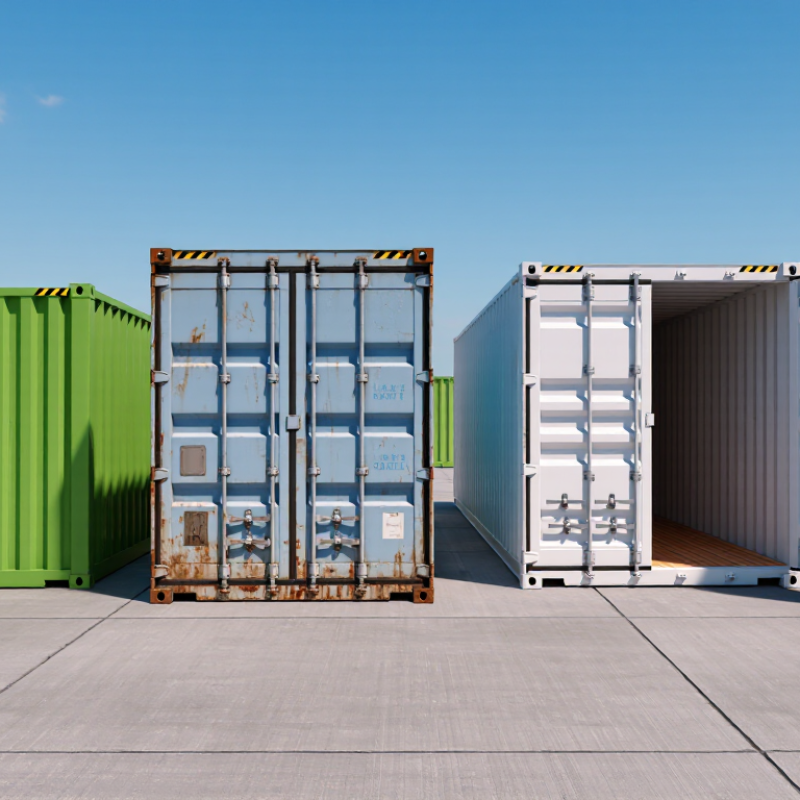
2026 Best 10ft Shipping Container Type to Buy?

10ft Shipping Container Types and Their Main Uses in 2026

2026 Best 10ft Shipping Container Type to Buy?

10ft Shipping Container Types and Their Main Uses in 2026

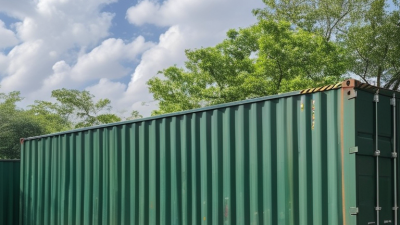
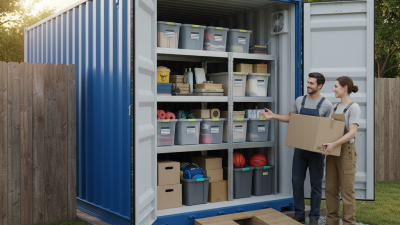
A standard 10ft dry container remains a practical choice for tools, seasonal stock, and compact site storage. Its steel walls protect contents from rain, dust, and rough handling. I recommend checking the door seals, floor condition, locking bars, and corner posts before purchase. A damaged floor can create expensive problems later. Ventilation openings also matter, especially in humid climates.

A 10ft high-cube container provides extra internal height for shelving, tall equipment, or workshop storage. It suits users who need more vertical space without adding much ground area. Side-opening models allow easier access to bulky items, such as pipes, furniture, or maintenance equipment. They cost more and may need stronger ground preparation. That trade-off is often overlooked.

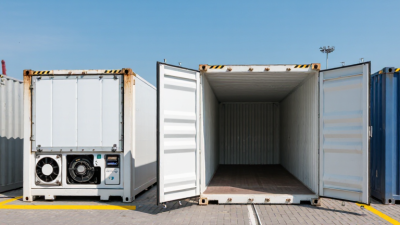
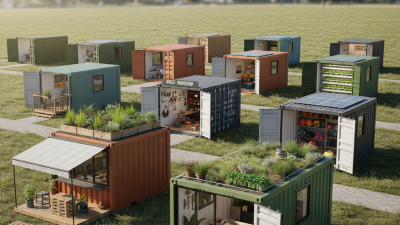
Refrigerated 10ft units serve temperature-sensitive goods, but they require reliable electricity and regular technical servicing. Energy use can be considerable. An open-top model helps load tall materials with lifting equipment, although weather protection becomes less convenient. Some buyers modify containers into offices or small workshops. Such changes should include safe wiring, insulation, fire protection, and approval from local authorities.

In my experience, the cheapest container is rarely the cheapest solution. Condition, delivery access, internal dimensions, and intended use should guide the decision. Measure twice. Buy once.

How to Compare Standard, High-Cube, Open-Side, and Specialty Models

Choosing the best 10ft shipping container in 2026 depends on access, cargo shape, and daily handling. A standard model suits boxed goods, tools, and short-term storage. Its compact footprint fits narrow yards, but interior height can limit shelving and tall equipment. Measure the door, floor, and turning path before comparing prices. A few centimeters can change the decision.

A high-cube model offers extra vertical space, usually about one foot more than standard units. That height helps with racks, insulation, and bulky cartons, though transport clearance needs checking. Open-side models provide wider access for pallets and long items. They are practical when forklifts or repeated loading are involved. However, more doors mean more seals, hinges, and inspection points. Check alignment, gasket softness, lock condition, and water marks after rain. Specialty models may include ventilation, reinforced floors, or modified access. Choose features that solve a measured problem, not features that merely look useful.

For a reliable purchase, inspect the steel condition, corner posts, floor treatment, and documentation. Ask for internal and external measurements, tare weight, payload rating, and recent photographs. A seller should explain repairs instead of hiding them behind fresh paint. I would also test the doors in person, because a clean exterior proves little. My comparison would begin with the cargo, then the site, and only then the container type. That order is not perfect. It can still prevent an expensive mismatch.

Key Size, Material, Door, Ventilation, and Security Specifications

2026 Best 10ft Shipping Container Type to Buy?

A practical 10ft container usually measures 10 feet long, 8 feet wide, and 8 feet 6 inches high externally. ISO 668 provides the dimensional framework, but internal space varies by manufacturer. Expect about 9 feet 2 inches of usable length. Measure your equipment before ordering. A short tape measure can prevent an expensive mistake.

Corten weathering steel is a sensible material for outdoor storage. Inspect the roof, corner posts, floor, and lower door rail for rust-through. Marine-grade plywood flooring is common, but thickness and treatment differ.

Choose a unit with two high-level vents on opposite walls. This supports airflow and reduces condensation around metal tools. It will not control humidity perfectly. I once underestimated moisture in a shaded yard.

Door design matters daily. Double cargo doors provide easier access than a single personnel door. Look for full-height rubber seals, straight locking bars, and doors that close without force.

A recessed lockbox protects the padlock from cutting tools and weather. The 2024 Cargo Theft Annual Report recorded more than 2,000 reported cargo theft incidents in the United States, showing why basic deterrence deserves attention.

Add an internal alarm only after confirming local installation requirements.

UNCTAD’s Review of Maritime Transport 2024 reported 2.4% growth in global seaborne trade during 2023. Demand remains active, yet quality varies sharply in used inventory.

Ask for recent underside photographs, the container’s tare weight, maximum gross weight, repair history, and CSC inspection status.

“Wind and watertight” sounds reassuring. It still needs proof.

New Versus Used 10ft Containers: Condition, Cost, and Lifespan

2026 Best 10ft Shipping Container Type to Buy?

For most buyers, the best 10ft container depends on condition, purpose, and expected service life. A new container offers cleaner panels, tighter door seals, and an unused marine-grade floor. It usually costs more, but repairs are less likely during the first few years. Used containers can save substantially, especially for storage, workshops, or temporary site use. However, age alone does not reveal quality. A well-maintained older unit may outperform a neglected newer one.

Inspect the roof for shallow dents, pinholes, and standing-water marks. Open both doors and check whether they move smoothly without heavy lifting. Look closely at corner posts, floor edges, welds, and rubber seals. Surface rust is often manageable. Flaking steel or twisted framing is not. A realistic service life may reach 10 to 15 years with proper placement, ventilation, and repainting, though harsh coastal conditions can shorten it. Availability also varies, so the cheapest quote may not include delivery or preparation.

Tips: Ask for recent inspection photos. Measure the doorway before buying equipment. Confirm internal dimensions, floor condition, and delivery access. If possible, inspect the unit in daylight. I would not trust a fresh coat of paint alone; it can hide problems. My own mistake was focusing on price first, then discovering that transport access required extra work. Allow a repair budget, even for a good-looking used container.

How to Choose the Best 10ft Shipping Container for Your Project

How to Choose the Best 10ft Shipping Container for Your Project

Choosing a 10ft shipping container starts with the project, not the price. ISO 668:2020 defines standardized container dimensions, helping buyers compare units from different suppliers. A typical 10ft unit offers about 16 cubic metres of internal space, but usable capacity decreases with insulation, shelving, or electrical equipment. Measure your largest item first. Small errors matter.

For tools, records, or compact equipment, inspect the floor, door seals, corner posts, and locking bars. ISO 1496-1 provides testing requirements for container strength and weather resistance. Ask for inspection records, repair history, and a current wind-and-watertight report. Surface rust is often manageable; distorted frames deserve more caution.

I would reject a container with a soft floor, even when the exterior looks clean.

Site access also affects the best choice. Check turning space, crane clearance, ground bearing capacity, and delivery restrictions before ordering. The UNCTAD Review of Maritime Transport 2024 reported container ship capacity of approximately 29.6 million TEU in early 2024, showing the scale of global container logistics.

However, fleet scale does not guarantee local availability or quality. Used units can be practical, but condition varies sharply. My first buying assumption would be price; a better assumption is total installed cost. Include transport, unloading, ventilation, security upgrades, and future maintenance.

A detailed checklist is less exciting, but it prevents expensive surprises.